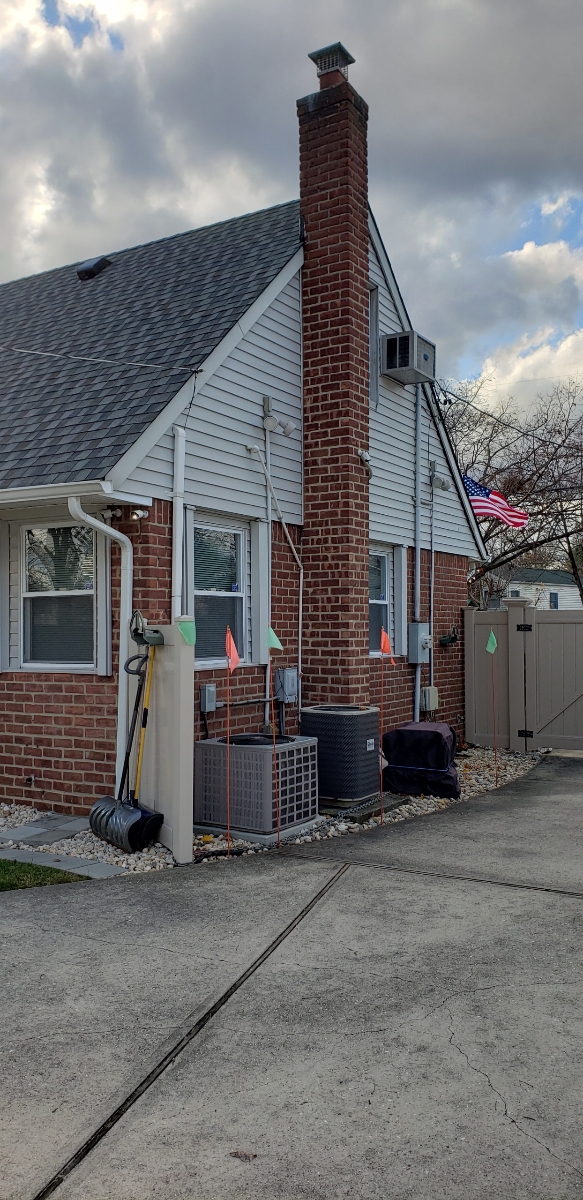
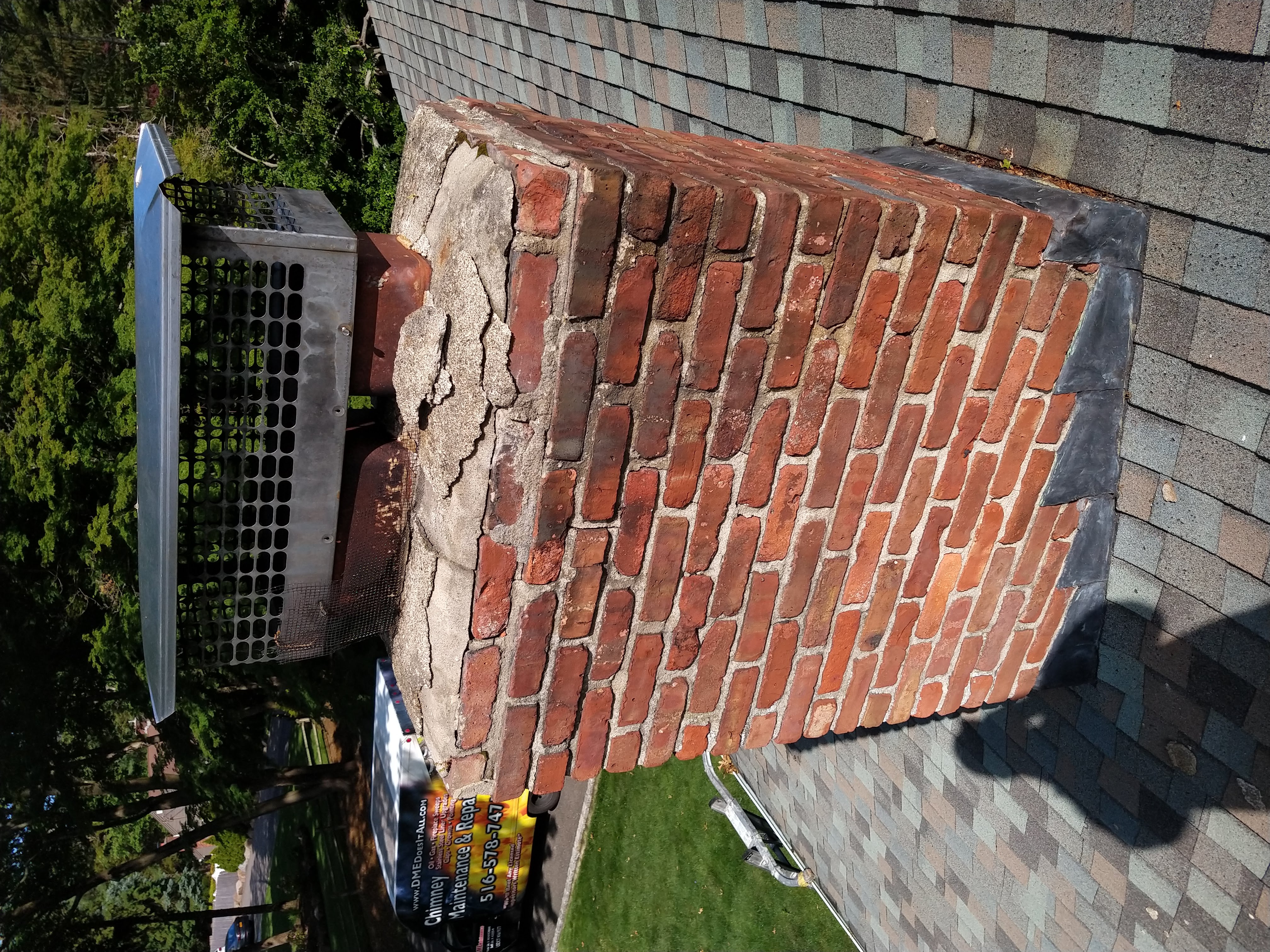
Your chimney is silently under attack. Every winter on Long Island, freeze-thaw cycles force water deep into mortar joints between bricks. Water enters, then freezes, then expands. The mortar cracks and erodes. By spring, the damage compounds. Homes in New Hyde Park that were built decades ago face this threat especially hard. The older masonry work on many New Hyde Park properties has weathered countless seasonal swings. That deteriorating mortar isn't just an eyesore. It's a direct pathway for water to penetrate your chimney structure and eventually reach the interior of your home.
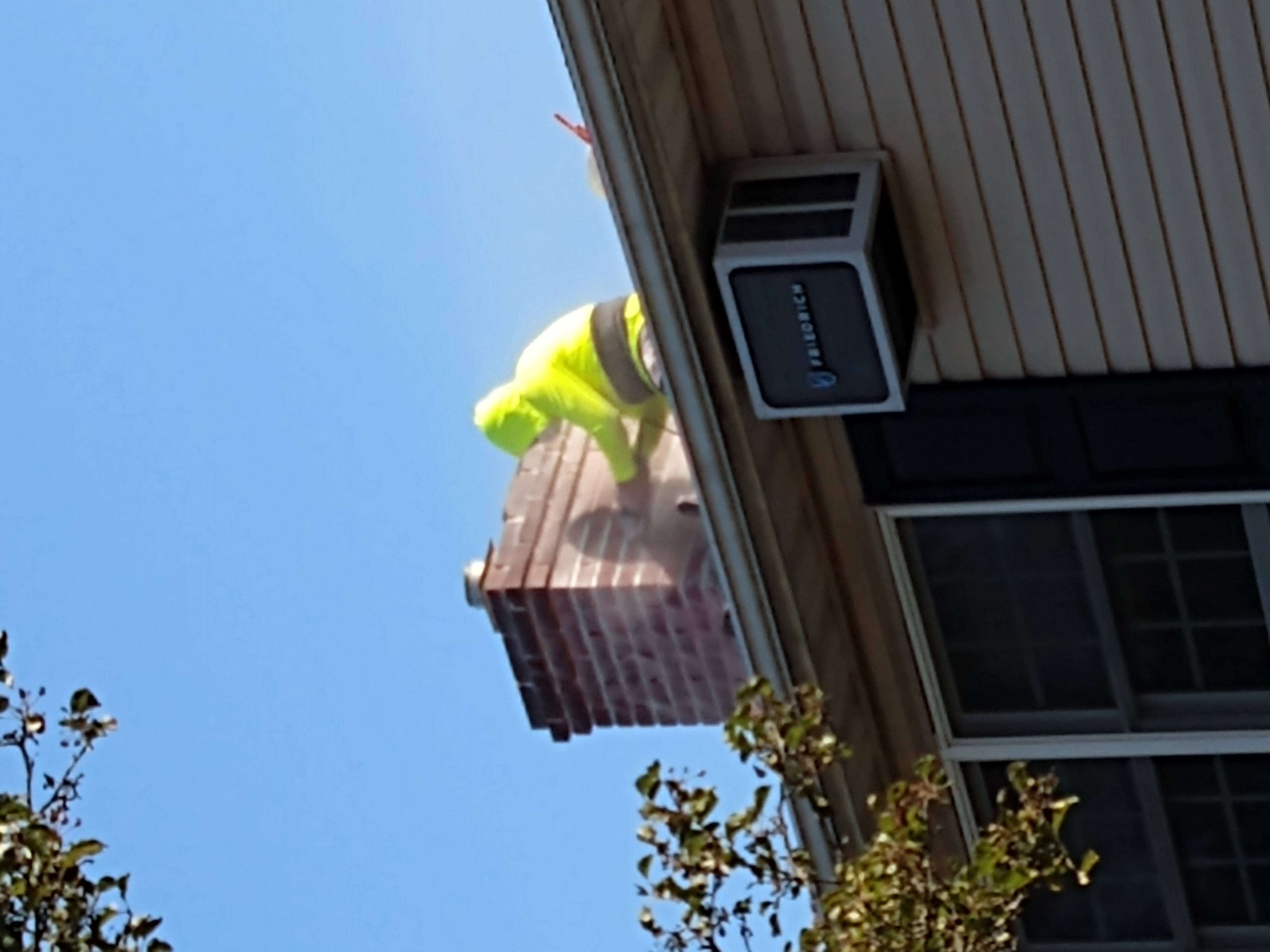
Chimney pointing and tuckpointing restore what weather and time have worn away. The process involves carefully removing failed mortar from the joints between your chimney's bricks and filling those gaps with new, properly mixed mortar. This isn't a quick patch job. It requires skill, attention to detail, and materials that match your chimney's original composition. New Hyde Park homeowners who invest in professional pointing work now avoid far costlier water damage later. A chimney with fresh, tight mortar joints sheds water the way it should. The brick stays dry. Your home stays protected.
The climate on Long Island creates perfect conditions for mortar failure. Winters are cold enough to freeze moisture deep in the masonry. Springs bring heavy rain and melting snow. Summer heat and humidity fluctuate dramatically. Fall prepares everything for the next freeze cycle. New Hyde Park sits in Nassau County where this pattern repeats year after year. Homes in New Hyde Park that rely on oil heating systems generate additional moisture and heat that affects chimney function. That moisture needs a clear path up and out. Compromised mortar blocks that path and traps water inside your chimney structure.
Spring and early summer provide the ideal window for pointing work on Long Island. Fresh mortar cures properly when daytime temperatures stay mild and consistent. Humidity levels support good curing without rapid drying that causes cracks. By scheduling your chimney pointing in spring or early summer, you ensure the new mortar sets completely before winter arrives. New Hyde Park homeowners who wait until fall risk incomplete curing when cold weather arrives. The longer you delay, the more cycles of freeze-thaw damage your chimney endures. Every season your mortar remains deteriorated brings water deeper into the structure.
Water infiltration through bad mortar often goes unnoticed until interior damage appears. You might see stains on your ceiling near the chimney. Damp spots in your attic. Efflorescence, a white powdery deposit on brick. By the time these signs are visible inside your home, water has already traveled a long distance through your masonry. New Hyde Park residences built in earlier decades frequently develop these patterns because original mortar simply wasn't designed to last 50, 60, or 70 years in our climate. Professional pointing work stops this cycle before interior damage spreads.
At DME Maintenance, we've served New Hyde Park and the surrounding Nassau County area since 2001. Douglas Eberling, our owner, understands Long Island masonry and the specific challenges our weather creates. We inspect your chimney carefully before recommending work. We match new mortar to your existing material composition. We remove old mortar by hand where needed to avoid damaging surrounding brick. Each joint receives proper filling and finishing. Our work protects your chimney and your home's interior from the moisture problems that plague so many New Hyde Park properties with aging masonry.
DME Maintenance is a Long Island-based, owner-operated chimney company serving New Hyde Park and the surrounding area. We regularly service homes in every part of New Hyde Park — whether your home is just off the main road or tucked into a quiet residential street, Douglas knows the area and will arrive on time.
The cost of water damage to interior walls, ceilings, and insulation far exceeds the cost of preventive pointing work. Yet many New Hyde Park homeowners delay because they underestimate how quickly deterioration accelerates. One bad winter can open new cracks. Several bad winters can compromise your entire chimney structure. Pointing work in spring or summer, before the next freeze-thaw cycle begins, makes practical sense. It preserves your chimney's integrity. It protects your home's structural health. It maintains the thermal efficiency of your heating system by keeping moisture out of the chimney's interior.
The best time to address chimney mortar is now, before the next cycle of seasonal stress begins. If your New Hyde Park home has a chimney that's more than 20 years old, professional inspection should be part of your spring maintenance routine. Look for mortar that's recessed, crumbling, or missing from joints. Check for water stains inside near the chimney base. Trust your eyes. If mortar looks questionable, it probably is. Call DME Maintenance at 516-690-7471 and schedule a free inspection. Spring and summer won't last forever. Waiting until fall means risking another winter of moisture infiltration and damage.