Your chimney works year-round on Long Island, even when heating season isn't in full swing. Many homeowners in New Hyde Park rely on oil heat or supplemental heating through their fireplaces during winter months. That constant exposure to temperature swings, moisture, and combustion byproducts takes a real toll. What starts as minor mortar erosion between bricks can quickly escalate into water infiltration and structural problems. The sooner you address chimney issues, the easier and less disruptive repairs become.
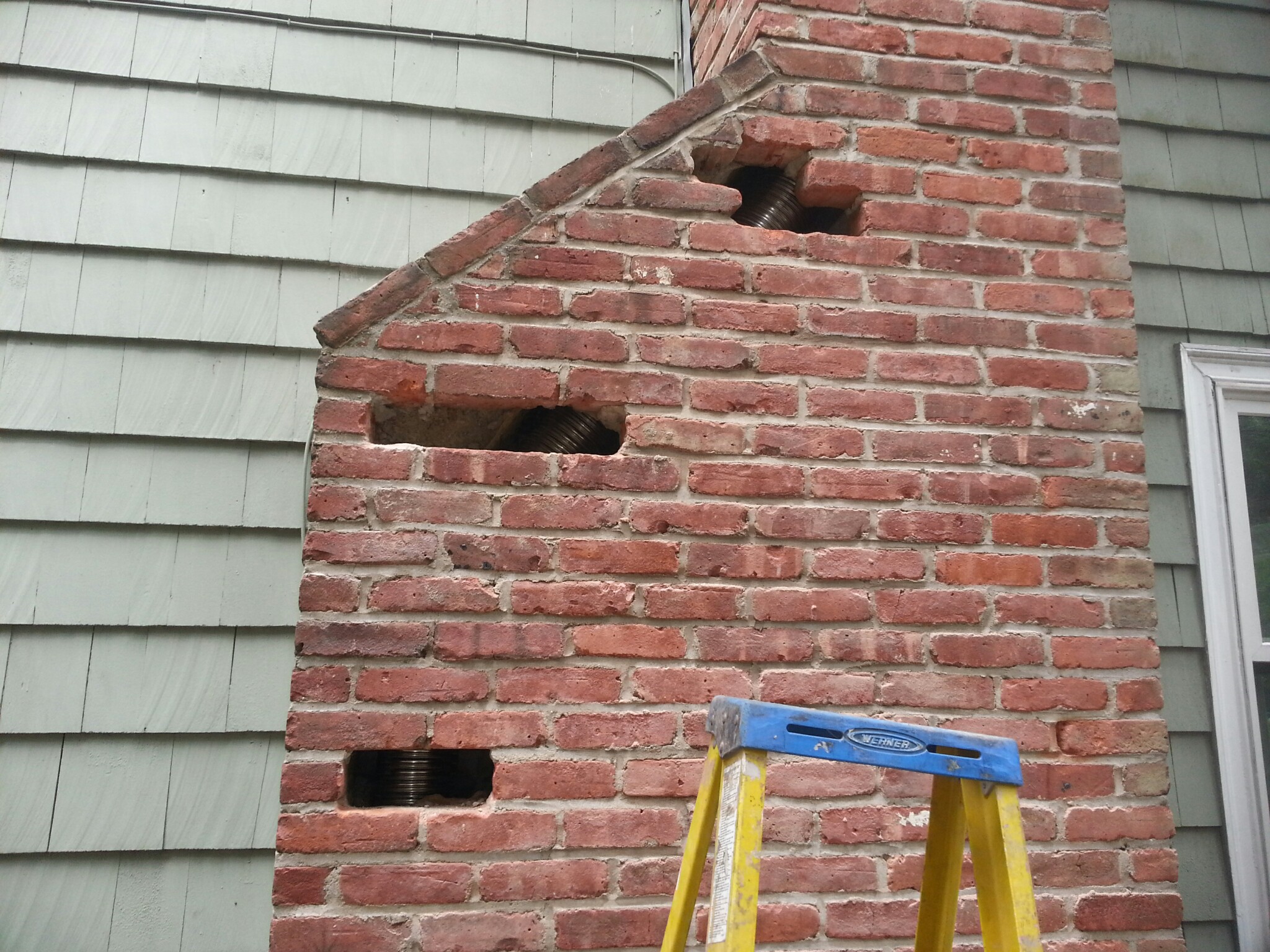
Mortar joints are the first line of defense in any chimney system. These joints hold bricks together and seal out moisture from New Hyde Park's humid maritime climate. On Long Island, homes experience significant seasonal changes. Winter brings cold snaps and freeze-thaw cycles that crack mortar. Spring and summer moisture accelerates deterioration. Residents of New Hyde Park often notice white staining or gaps appearing between bricks as mortar fails. This isn't just a cosmetic issue. Failed mortar joints allow water to penetrate the chimney structure, creating damage that spreads inward toward your fireplace system.
Brick damage follows when mortar fails to do its job. The bricks themselves in New Hyde Park homes are surprisingly vulnerable once water gets behind them. Freeze-thaw cycles, in particular, destroy brick from the inside out. Water saturates the brick during warm months. When temperatures drop below freezing, that moisture expands and causes spalling, which is when chunks of brick surface break away. New Hyde Park homeowners often see brick damage concentrated on the exterior face of the chimney, where weather exposure is most intense. Spalled bricks weaken the entire structure and create even more entry points for water.
Water intrusion represents one of the most destructive forces acting on chimneys in New Hyde Park. Beyond visible damage to mortar and brick, water penetrates into the interior structure, affecting everything from the firebox to the attic space above. Homes on Long Island near water features experience higher humidity levels. That moisture-rich air accelerates corrosion and deterioration throughout your chimney system. You might notice water stains on interior walls near your fireplace. You might smell musty odors coming from the chimney area. These are signs that water has already found its way into spaces where it shouldn't be. New Hyde Park residents who address water intrusion early prevent costly damage to surrounding home structure.
Structural integrity matters more than many homeowners realize. A chimney isn't just a decorative feature. It's a load-bearing element that's integral to your home's framework. When mortar joints fail and bricks become damaged, the entire structure loses strength. In New Hyde Park, older homes with vintage chimneys are especially vulnerable. Settling and shifting in brick chimneys can cause misalignment that worsens over time. Some homeowners notice their chimney leaning slightly or pulling away from the exterior wall. These are serious warning signs that structural failure may be progressing. Catching these issues early prevents catastrophic failure that could damage your roof, walls, and interior spaces.
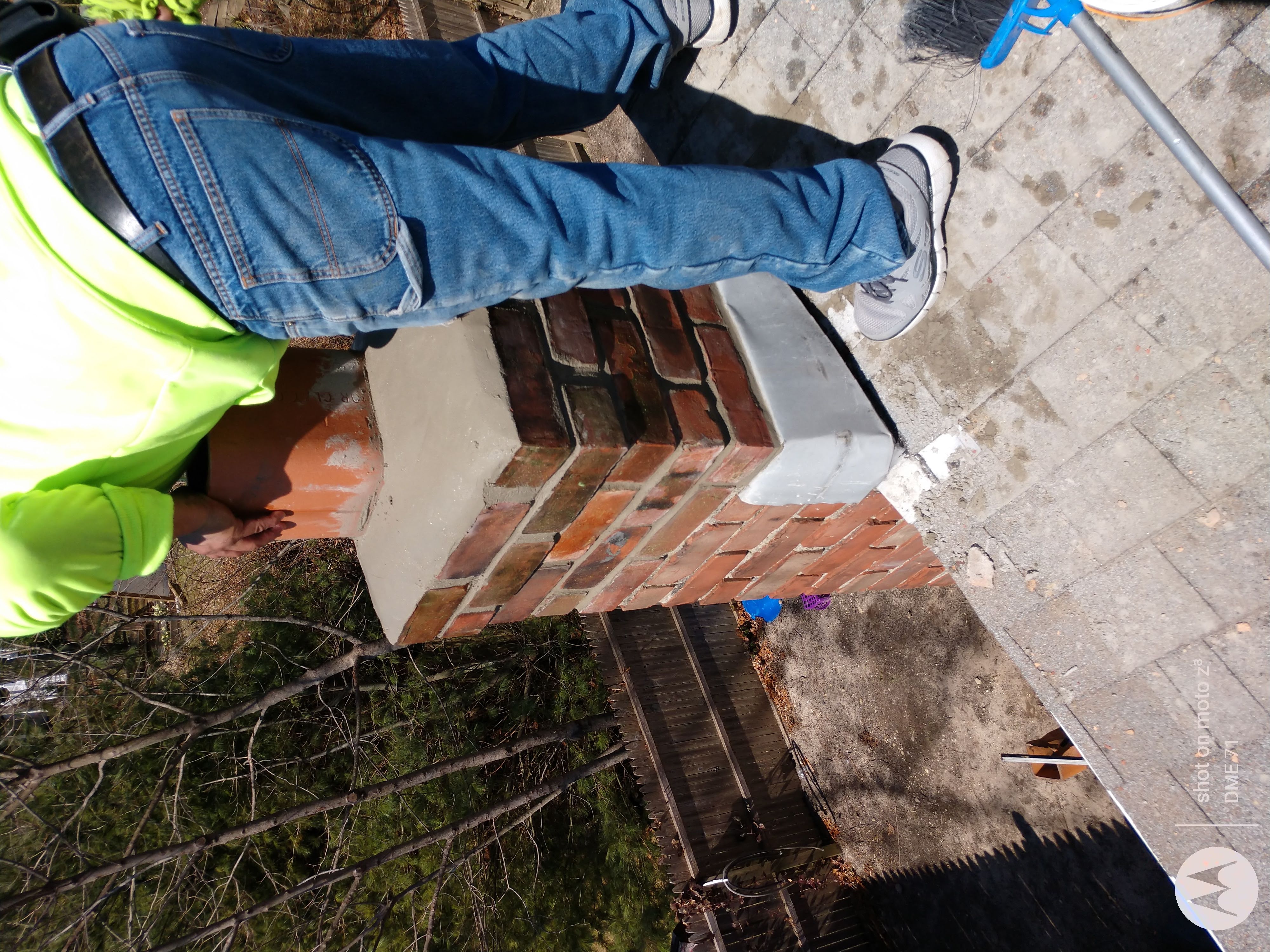
DME Maintenance has been serving New Hyde Park and the broader Nassau County, NY area since 2001. Douglas Eberling built this company on the principle that skilled diagnosis comes before any repair recommendation. We understand the specific challenges facing chimneys on Long Island. DME Maintenance knows how salt air, moisture, and temperature extremes affect masonry differently than in inland areas. When we inspect a chimney in New Hyde Park, we're looking at the complete picture. We evaluate mortar joint condition, brick integrity, water damage patterns, and structural alignment. This thorough assessment helps us recommend the right repairs for your specific situation.
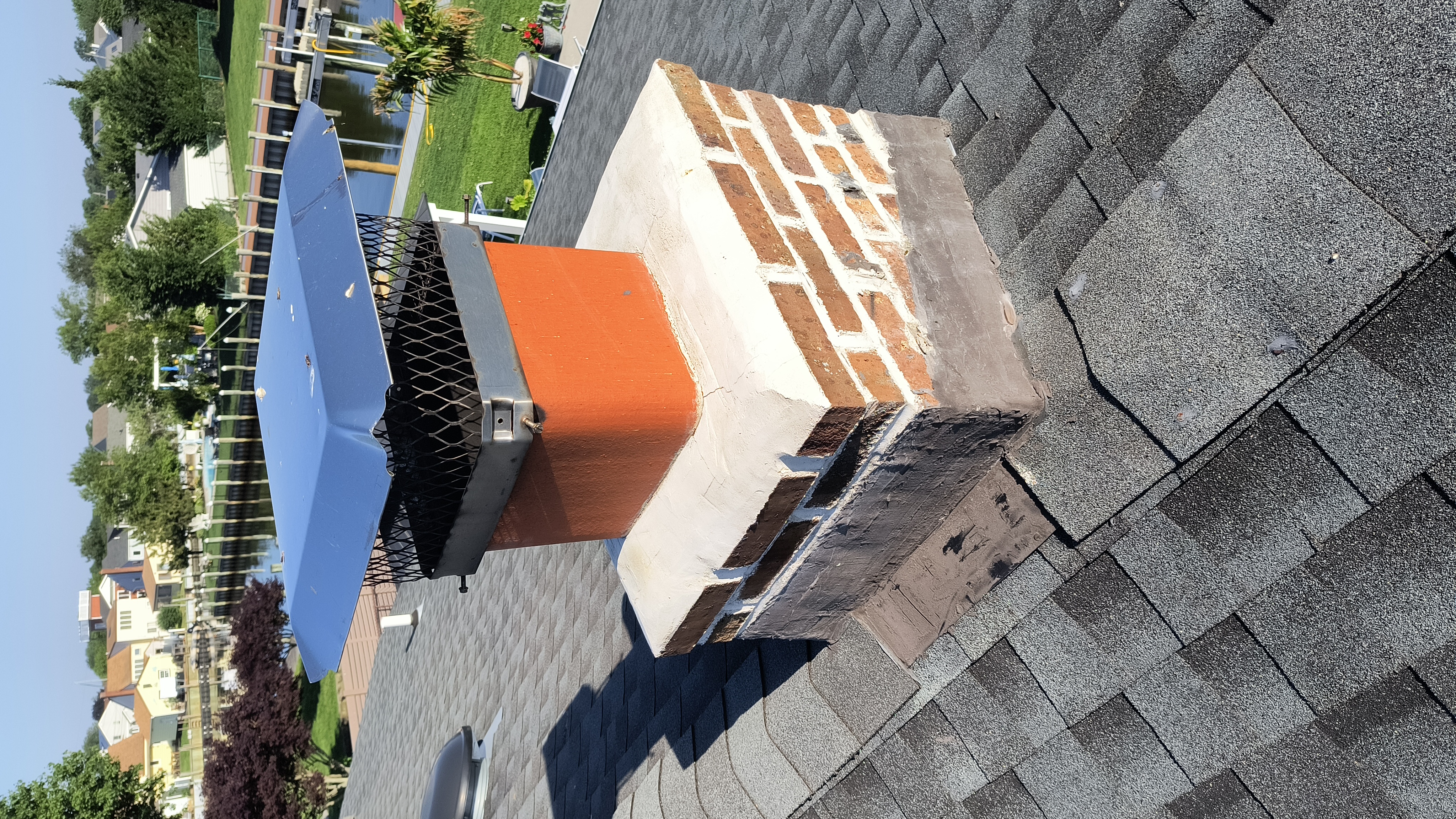
The repair process depends entirely on what we find during inspection. Minor mortar joint deterioration might require repointing, which is removing failed mortar and installing new material. More extensive brick damage requires selective brick replacement to maintain structural integrity. Water intrusion issues demand identifying and sealing the entry point, whether that's at the crown, flashing, or damaged joints. New Hyde Park homes sometimes need multiple repair approaches to fully address chimney problems. We don't believe in one-size-fits-all solutions. Your chimney's age, construction style, and damage pattern all influence the repair strategy we recommend.
DME Maintenance is a Long Island-based, owner-operated chimney company serving New Hyde Park and the surrounding area. We regularly service homes in every part of New Hyde Park — whether your home is just off the main road or tucked into a quiet residential street, Douglas knows the area and will arrive on time.
Year-round maintenance keeps problems from developing in the first place. Spring inspections catch winter damage before summer moisture makes things worse. Fall inspections ensure your chimney is ready for heating season. Homeowners in New Hyde Park who stay proactive about chimney maintenance spend far less on repairs over time. Small maintenance investments prevent expensive restoration work down the road. We've seen chimneys that could have been maintained with minor repointing work instead require major structural repairs because the problems were ignored. The choice between preventive maintenance and reactive emergency repairs is really a choice about protecting your investment.
If your chimney in New Hyde Park shows any signs of mortar deterioration, brick damage, or water staining, don't wait for conditions to worsen. Contact DME Maintenance today at 516-690-7471 to schedule an inspection. DME Maintenance will assess the current condition of your chimney and explain exactly what needs attention. New Hyde Park residents trust us to give honest assessments and effective solutions. We've been part of this community for over two decades, and we're here to keep your chimney safe and functional. Call 516-690-7471 now to protect your home before another season passes.